|
PATENTS,
COPYRIGHTS, TRADE-MARKS AND INDUSTRIAL DESIGNS
|
| Anything
you design, invent or create is commonly referred as intellectual property
and can be protected from competitors. |
| PATENT
- A
patent is a document issued by government office, giving a patentee the
legal right to the ownership of an invention. If you are interested in
obtaining a patent you should consult a qualified registered patent agent
because the process is complex. If you are apply for patent and patent
is granted, you are protected against its unauthorized use and you hold
the rights to sold your right or charge a royalty to anyone who uses your
invention. |
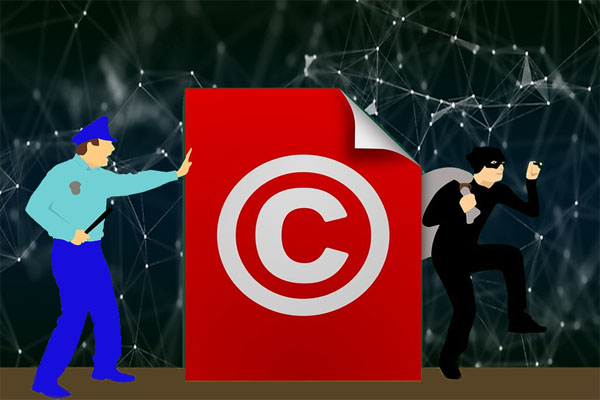
| COPYRIGHT
-
Copyrights applies to all original literary, artistic, musical and dramatic
works (books, pamphlets, writings, musical works, sculptures, paintings,
photographs, encyclopedias, motion pictures, plays, computer programs and
so on). Anything you create cannot be copied by others without permission.
You automatically hold the copyright on any original work you create but
you may apply for added protection. Authors are usually the first owners
of the copyrights unless they were hired to create the work, in which case
the employer is the copyright owner. |
| TRADE MARK
-
A trade-mark in most instances is a word, logo, symbol, design or a combination
of these that identifies your product or service in the marketplace. For
example: brand names are trademarks. It's a good idea to register a trademark
if you want to ensure that no one else uses it. |
| INDUSTRIAL
DESIGN -
It is any original shape, ornamentation or pattern made by hand, tool or
machine that is mass produced. Industrial design may be sold outright or
may be licensed but the transaction should be registered. |
|
A
New Brand World: 8 Principles for Achieving Brand Leadership in the 21st
Century by Scott Bedbury,
Stephen
Fenichel
What does
it really take to succeed in business today? In A New Brand World, Scott
Bedbury, who helped make Nike and Starbucks two of the most successful
brands of recent years, explains this often mysterious process by setting
out the principles that helped these companies become leaders in their
respective industries. With illuminating anecdotes from his own in-the-trenches
experiences and dozens of case studies of other winning-and failed-branding
efforts (including Harley-Davidson, Guinness, The Gap, and Disney), Bedbury
offers practical, battle-tested advice for keeping any business at the
top of its game. |
|
Patents
and How to Get One: A Practical Handbook by U. S. Department
of
Commerce
Handy official guide explains
functions of the Patent and Trademark Office, describes a patent, defines
such terms as "patent pending" and "patent applied for," discusses patent
law, explains what can be patented and the process of registering patents,
describes filing fees, and much else—all in simple, easy-to-understanding
language. Designed specifically for non-attorneys, this indispensable handbook
will be of value to inventors, patent applicants, students, and other interested
parties. |
|
Technobrands:
How to Create & Use "Brand Identity" to Market, Advertise & Sell
Technology Products by Chuck Pettis
In TechnoBrands,
Chuck Pettis introduces the first published step-by-step process for building
brands. While modern day “branding” has been around for more than a century—everybody
knows the power of names such as Coca-Cola, Microsoft, GE, Disney, Intel,
or Nokia—very few people know the “secrets” of branding and how to successfully
apply branding. Filled with examples and insights from successful technology
marketers, such as Microsoft, Hewlett-Packard, and Intel, TechnoBrands
describes every step in the branding process, including: market research,
creating the brand identity, applying the brand, and creating successful
brand names. |
|
Trademark:
Legal Care for Your Business & Product Name (Trademark)
by
Stephen Elias
Names,
logos, and other unique corporate identifying marks are the true calling
cards of any business, and the third edition of Trademark: Legal Care for
Your Business & Product Name, by attorneys Kate McGrath and Stephen
Elias, explains in an easy to understand fashion how to choose these vital
assets properly and then protect them diligently. Revised to reflect changes
that have come about because of the advent of cyberspace, it offers clear
instructions on initial selections, searches to ensure availability, state
and federal registration procedures, correct use, and adjudication of any
disputes that result. |
|
Building
Strong Brands
by
David A. Aaker
In Aaker's
pathbreaking book, Managing Brand Equity, managers discovered the value
of a brand as a strategic asset and a company's primary source of competitive
advantage. Now Aaker uses real brand building cases from Saturn, GE, Kodak
and others to demonstrate how the best brand managers create brand equity. |
|
Making
It in the Music Business: The Business and Legal Guide for Songwriters
and Performers
by
Lee Wilson
Both practical business manual
and prized legal companion, this latest edition of the best-selling guide
contains the solid strategies and practical advice songwriters and performers
need to survive and thrive in today's competitive music industry. |
|
|