30 minutes
physical activity
25-38 grams of
dietary fiber per day
6-8 hours
of adequate sleep

Constipation
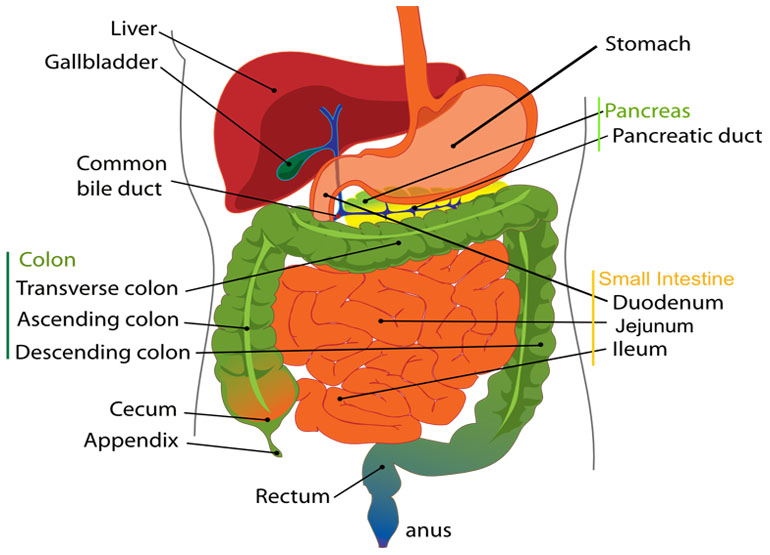
No one wants to talk about it, admit to it, or take the necessary steps to relieve it until the situation becomes critical.
People who have constipation problem, usually have hard bowel movements, their stools are difficult to pass and they may feel unable to fully empty their bowel. Constipation may cause abdominal pain and bloating in some people.
At minimum, you should have one good bowel movement per day, but 2 to 3 is ideal for optimum health.
If you suffer from constipation you want a permanent solution to this problem. Fortunately, there are immediate, natural measures that can help relieve your difficulties. Click on the related information to find product to help you NOW!
Stool should have a consistency similar to toothpaste and the length of banana. Insufficient daily intake of water and fibre are key contributors to improper consistency and lenght.
Generally, the stool colour should be walnut brown. Sometimes you may experience temporary dis-colouration, if you eat certain foods such as beets or dark green vegetables.
Normal healthy stool should leave the body easily, settle in the water and gently submerge. If there is not enough daily fibre in the diet (30 to 40 grams), the stool will quickly plummet to the bottom of the toilet. If the stool floats, the likely reason is too much undigested fat.
If you want to learn more about causes of constipation and how to achieve 2 to 3 bowel movements per day click on the links below:
Related Information:
 Colonix Intestinal Cleanser
Constipation Brochure
Colonix Intestinal Cleanser
Constipation Brochure

It is quite true that the more you travel, the more interested in travel you are. No matter how many times you visited interesting places, there is always something new to be discovered. Learn more about your destination before your trip and make it even more enjoyable and practical.
Find out more