Problems occur when free radicals become too numerous. When our body fails to produce enough antioxidants quickly enough — or additional free radicals are created by high stress, poor diet, lack of sleep or environmental toxins — healthy cells and tissues get damaged. Antioxidants inactivate or destroy the free radicals which damage cells, blood vessel walls and start heart or other diseases.
Organic antioxidants help to promote cell regeneration, they are a great all natural way to help boost your immune system, and flush out harmful toxins which weaken the immune system. They are essential aid to a properly balanced diet, overall health and wellness and also great help in the prevention of disease.
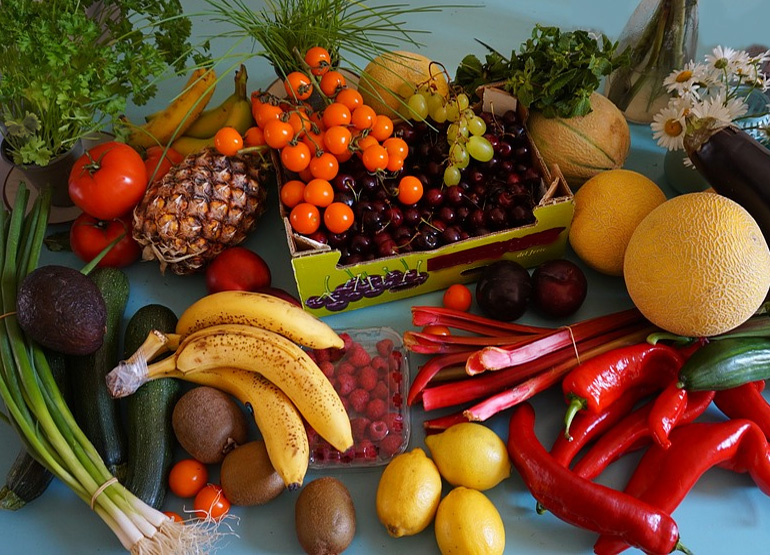
Antioxidant vitamins C, E and beta carotene make free radicals harmless. Dark green, dark yellow fruits and vegetables are good sources of these vitamins. There are also other non-nutritient substances called indoles, phenols, flavones and isothiocyantes which are found in the same foods which are also protective against cancer.
The list below is arranged in order beginning with the item containing the highest amount of the vitamin.
VITAMIN C - papaya, broccoli, cantaloupe, citrus fruits, strawberries, brussel sprouts, snow peas, cauliflower, sweet potatoes, asparagus, kiwi, green peppers, and fresh currants.
VITAMIN E - wheat germ oil, sunflower seeds, almonds, sunflower oil, safflower oil, hazelnuts, spinach, avocado, turnip greens, pine nuts, peanuts, olive oil, mango, sweet potato, tomatoes.
BETA CAROTENE - Vegetables: carrots, sweet potatoes, winter squash, pumpkin, watercress, spinach, broccoli, asparagus, greens of beets, turnips, dandelion, kale.
Fruits: mangoes, melons (cantaloupe), apricots, papayas, peaches, nectarines.
ABOUT THE AUTHOR
© Maya Gavric, entrepreneur, consultant, freelance writer, web developer, artist, former realtor, and marketing coach has been working, researching and reporting on the Internet for years. Her numerous articles and books offer valuable insight and tips on wide variety of topics. In recent times she has paid particular attention to knowledge management on the Internet, health topics and environmental problems, exploring how our attention to hot issues might best transform current situation into better practice. For more health tips and info visit: Romwell Health Pages
NOTE: You have permission to publish this article "as is" (unedited) in ezines, electronic publications, web sites and other media format, as long as the article is used in its entirety including the resource box, all hyperlinks (html clickable) with full references and copyright info.