Health Pages
Coenzyme Q10
Coenzyme Q10
Coenzyme Q10 (also known as ubidecarenone, coenzyme Q, and abbreviated at times to CoQ10 – pronounced like "ko-cue-ten" –, CoQ, Q10, or simply Q) is a vitamin-like nutrient that plays a vital role in cellular energy production. It is also known as ubiquinone because its chemical structure is that of a quinone and it is ubiquitously distributed in nature.
Coenzyme Q10 is oil-soluble substance present in most eukaryotic cells, primarily in the mitochondria. It is a component of the electron transport chain and participates in aerobic cellular respiration, generating energy in the form of ATP. Ninety-five percent of the human body’s energy is generated this way. Therefore, those organs with the highest energy requirements—such as the heart and the liver—have the highest CoQ10 concentrations. The various kinds of Coenzyme Q can be distinguished by the number of isoprenoid side-chains they have. The most common Coenzyme Q in human mitochondria is CoQ10.
CoQ compounds are widely distributed in nature, from microorganisms to plants to animals including humans. In humans and several other species, the side chain is comprised of 10 isoprene units and hence the name CoQ10.
CoQ10 was discovered by Dr. Frederick L. Crane and colleagues at the University of Wisconsin in 1957 during his research on the biochemistry of the mitochondrial electron transport chain, also known as the respiratory chain. The pure substance isolated from beef heart mitochondria was sent to Dr. Karl Folkers at the pharmaceutical company Merck for identification and elucidation of its structure. In 1958, its chemical structure was reported by Dr. Karl Folkers and coworkers at Merck; in 1968, Folkers became a Professor in the Chemistry Department at the University of Texas at Austin. Coenzyme was designated coenzyme Q10 because of its quinone structure and the ten isoprene unit side chain. During the same time period, another group of scientists led by Dr. R. A. Morton in England isolated the same substance from mitochondria and named it ubiquinone because of its widespread occurrence in nature. The vital role of CoQ10 in the electron transport chain was first described by Dr. Peter Mitchell of England who was awarded the Nobel prize for his work.
CoQ10 is present in almost all the cells in our body and also in circulation (in lipoproteins). Practically every cell has the ability to synthesize CoQ10. The endogenous synthesis of CoQ10 happens to be a very complex process requiring numerous vitamins such as vitamin B6, vitamin B12, folic acid, niacinamide, pantothenic acid and vitamin C, and also certain trace elements. The quinone ring structure is derived from the amino acid tyrosine, the methyl groups on the ring supplied by methionine, and the isoprenoid side chain coming from the mevalonate pathway (the same pathway shared by cholesterol). Thus the production of CoQ10 is dependent on an adequate supply of numerous precursors and cofactors, and a deficiency of one or more of these essential components can adversely affect the production of adequate amounts of CoQ10.
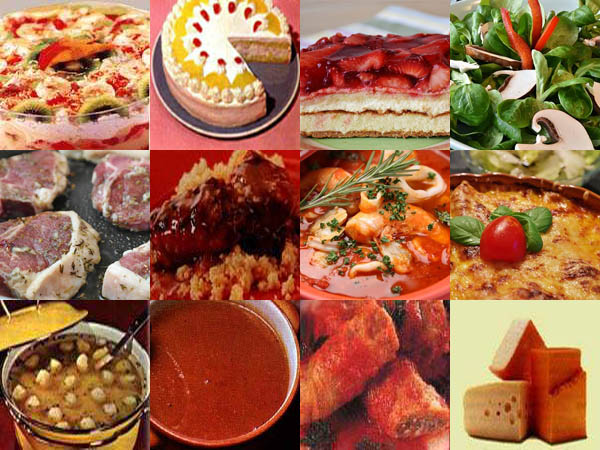
Besides endogenous synthesis, CoQ10 is also supplied to the organism by various foods. Find out more about sources of coenzyme...
Potential Beneficial Effects of CoQ10 Supplementation:
 Cardiovascular disease; Cardiomyopathy; Congestive heart failure; Angina pectoris; Arrhythmias; Mitral valve prolapse; Hypertension; Atherosclerosis; Cardiotoxicity (drug-induced);
Neurodegenerative diseases; Huntington’s Disease; Parkinson’s Disease; Alzheimer’s Disease; Amyotrophic lateral sclerosis (Lou Gehrigs Disease);
Neuromuscular diseases; Mitochondrial cytopathies (MELAS, MERRF, etc.); Muscular dystrophy; Ataxias;
Diabetes
Cancer
Chronic obstructive pulmonary disease
Asthma
Migraine
Immune disorders; HIV/AIDS;
Periodontal disease
Chronic fatigue syndrome
Male infertility.
Cardiovascular disease; Cardiomyopathy; Congestive heart failure; Angina pectoris; Arrhythmias; Mitral valve prolapse; Hypertension; Atherosclerosis; Cardiotoxicity (drug-induced);
Neurodegenerative diseases; Huntington’s Disease; Parkinson’s Disease; Alzheimer’s Disease; Amyotrophic lateral sclerosis (Lou Gehrigs Disease);
Neuromuscular diseases; Mitochondrial cytopathies (MELAS, MERRF, etc.); Muscular dystrophy; Ataxias;
Diabetes
Cancer
Chronic obstructive pulmonary disease
Asthma
Migraine
Immune disorders; HIV/AIDS;
Periodontal disease
Chronic fatigue syndrome
Male infertility.
Related Links:
- Coenzyme Q10
- Coenzyme Q10 (Ubiquinone)
- CoQ10 Dosage: Separating the Myths from the Facts
- 10 facts you should know about Coenzyme Q10
- Coenzyme Q10: It May Just Be the Miracle Vitamin of the 1990s
- Coenzyme Q10 - The Wonder Nutrient
- Co q10 - Drug Interactions
- The International Coenzyme Q10 Association (IQA)
- Coenzyme Q10 Contents in Foods and Fortification Strategies
- Coenzyme Q10 prevents human lens epithelial cells from light-induced apoptotic cell death...
- Isoprenes
Recommended Reading:
* Revitalize the immune system and aid in its defense against cancer infections.
* Reverse the effects of aging naturally.
* Protect and strengthen the heart and cardiovascular system.
* Normalize high blood pressure without side effects.
* Control or even reverse periodontal (gum) disease.
* Energize your body and increase your tolerance for exertion.
* Reduce weight naturally without dieting or drugs.
Dr. Sinatra is a board-certified cardiologist and certified psychotherapist with more than thirty–five years of clinical experience treating, preventing and reversing heart disease. He also is certified in anti-aging medicine and nutrition. Dr. Sinatra has specialized in integrating conventional medical treatments for heart disease with complementary nutritional, anti-aging, and psychological therapies to help heal the inflammation and plaque processes that cause heart attacks and stroke. He is a Fellow of the American College of Cardiology, an Assistant Clinical Professor of Medicine at the University of Connecticut School of Medicine, and a former chief of cardiology and medical education at Manchester (Connecticut) Memorial Hospital.
A prolific author, Dr. Sinatra has written numerous books, including his current bestseller The Great Cholesterol Myth (2012), The Sinatra Solution: Metabolic Cardiology (2011), Earthing:The Most Important Health Discovery Ever? ( 2010), Reverse Heart Disease Now (2008), Lower Your Blood Pressure in Eight Weeks (2003), Heart Sense for Women (2000), and Heartbreak & Heart Disease (1999). He is also the host of the Internet’s leading integrative cardiology website for the public, www.heartmdinstitute.com.
"Among foods of plant origin, parsley and perilla are the richest CoQ10 sources, broccoli, rape, cauliflower, and spinach contain modest amounts of CoQ10"
RomWell Health Pages - Disclaimer
Our pages are created to provide medically accurate information that is intended to complement, not replace or substitute in any way the services of your physician. Any application of the recommendations set forth in the following pages is at the reader's discretion and sole risk. Before undergoing medical treatment, you should consult with your doctor, who can best assess your individual needs, symptoms and treatment.Acai Berry
The best acai berry products are the ones which contain 100% pure, organic and natural acai berry, and where the only processing ever done is dry freezing its pulp and skin and grinding it into powder (no laboratory processing or aditives). Look for products that are certified kosher, vegan and organic. High quality acai products have high ORAC levels. Oxygen Radical Absorbance Capacity (ORAC) is a method of measuring antioxidant capacities of different foods.
RomWell Travel Guide
It is quite true that the more you travel, the more interested in travel you are. No matter how many times you visited interesting places, there is always something new to be discovered. Learn more about your destination before your trip and make it even more enjoyable and practical.
Find out more
Browse RomWell Real Cooking