TRAVEL
enhance your experience...
KNOWLEDGE
make it much more comfortable...
INFORMATION
helps you to find things...

RomWell Travel Advisory
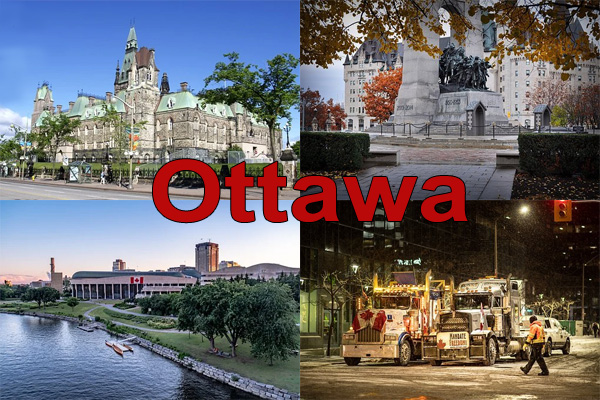
Canadian capital city Ottawa has been described as one of the most beautiful capitals in the world.
Less than an hour's drive from the American border, Ottawa enjoys the attributes of a major centre for the visual and performing arts, as well as other big city attractions. Ottawa has the charm of a European town filled with monuments and ceremonies.
At the centre of the city is Parliament in all its neogothic, buttressed and arched splendour, beautifully re-roofed in copper that gleams brightly at dawn and dusk. Redcoated guards in tall bearskin hats salute like so many wind-up soldiers. And in the Byward Market, just down the street from Parliament, streets of flower sellers give the city a sense of a celebration.
Overlooking it all is the Chateau Laurier, a castle in a 15th-century French style, perhaps the most recognized place in town.
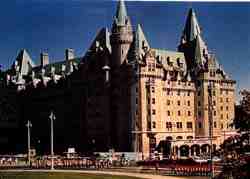
While government and politicians are often scorned, the Chateau Laurier, always gracious, hasn't made enemies.
No wonder that in a contest for friendly memories, the hotel beats Parliament, the political cockpit across the street. Built into the walls of its 450 guest rooms, lavish suites, endless ballrooms and sumptuous corridors are ironies worthy of much older capitals.
Consider that the man who planned, built and paid for the hotel, railroad tycoon Charles Melville Hays, never got to cut the ribbon. On his way back from England with a load of furniture for the opening, he went down with his cargo on the Titanic.
In need of a name for the hotel, management settled on Laurier, who was out of the job of Prime Minister but still much admired. On June 1, 1912, he cut the ribbon and opened the hotel that bore his name.
Beside the picturesque Rideau Canal, still functioning as a system of locks linking Lake Ontario and the Ottawa River, the hotel's spires and gargoyles have made it one of the most photographed places in Canada.
A castle in a city of monuments, the hotel has become the defining non-political Ottawa experience. As a result, the Chateau Laurier is used by the diplomatic community as an extension of its embassies.
Below the lobby is the Chateau Laurier's An Deco swimming pool, which looks much as it did when it opened in 1932. A marble fountain spritzes at the shallow end and wrought-iron balustrades decorate an arcade above. There's an exercise room with various machines, sauna and steam baths. Gone are rooms for weird 1930s therapies such as dips in carbonic acid to shrink enlarged hearts, the electrifying Nagelschmidt couch, which used low voltage to treat high blood pressure, and a terror called the Scotch Douche that blasted hot and cold water at a patient's spine. That's what makes the Chateau Laufier different. In a world where most hotels are high - rise slabs, the Laurier has legends of great conferences of World War II held in its salons and even tales--likely rather tall that Charles Hays has been seen as a ghostly presence inspecting the place he built. It is a castle, after all.
Outside on the streets of Ottawa, the life of the city throbs in a way very different from the plod of government. In summer, bicycles and inline skates are a common means of transportation. Sidewalk cafes hum with activity in the Byward market. Museums dedicated to the history of flight, anthropology, art, science and technology, money and photography draw crowds.
A little south of downtown Ottawa, the Rideau River tumbles through a 12-metre gorge at Hog's Back Falls.
If you want to find more information about Ottawa, visit Ottawa Tourism website and Ottawa official website.
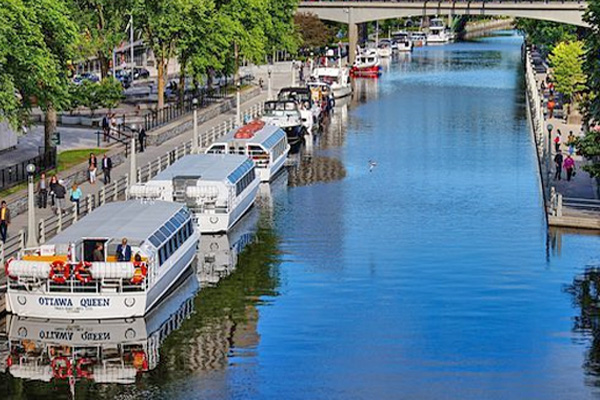
The Rideau Canal creates a pleasant waterfront strip in Ottawa. In winter, the Rideau Canal becomes a microculture of skaters, sledders and cross-country skiers.
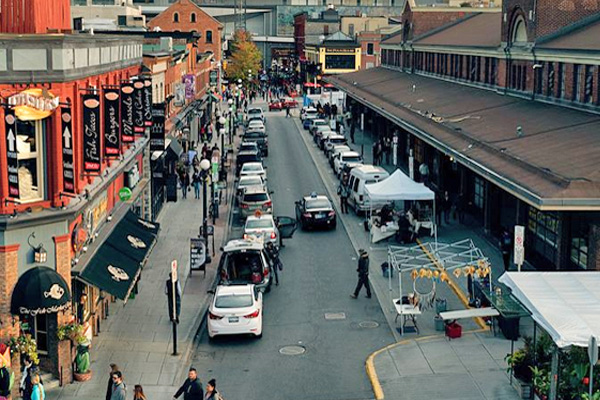
The Byward Market is Ottawa’s popular tourist attraction. It features fresh local food and flowers. The Byward Market is also the premier destination for shopping, dining, arts, entertainment and professional services for residents and visitors.

Surprise your loved ones with great craft creations, decorate your house, or make unique gifts for any occasion and create ultimate gift giving experience. Save money, spend a quality time with your dearest ones, and have fun doing great craft for any occasion!
Find out more