Each
year many small businesses are bought and sold. A lot of key issues
must be considered before you complete the final purchase.
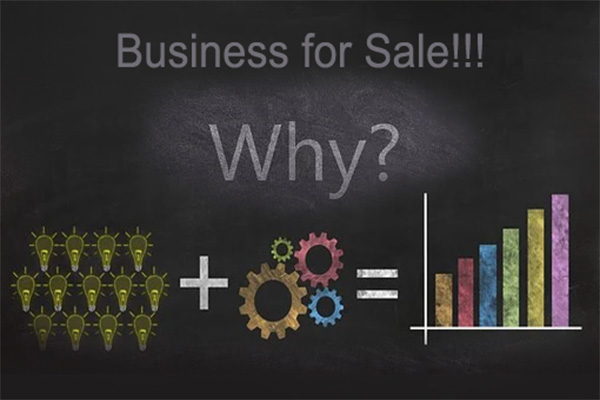
Owners sell their business for a variety of
reasons:
The owners wants to retire.
Too much capital is required to
modernize or expand the business.
The owner is frustrated.
The owner is moving on to a new and
more challenging business enterprise.
The business is growing to fast for
the owner to handle alone.
The owner has lost the lease at the
business present location.
New government regulations require
modification to the business (for example, pollution control devices or
zoning restrictions).
The owner, a member of the owner's
family, or a key employee is not well.
Competition is increasing and causing
the business' sales to fall.
The surrounding population is
changing, and newer businesses are more able to adopt to the changing
consumer tastes.
Remember, before
you invest - investigate! Keep in mind that the old-fashioned ways of
making decisions – depending on intuition, common sense, and
specialized expertise–are simply no longer sufficient.
|
|
A Basic Guide for Buying and Selling a
Company - This outstanding guide contains all the essentials
with regard to the interaction of people transacting for small
businesses and how to maximize your chances to obtain fair deals.
Explains how to effectively use a business broker, methods of payment
available to the buyer, deal with an attorney, how the seller prices
the company, and much more.
How to Buy and/or Sell a Small Business for
Maximum Profit: A Step-by-Step Guide - This book provides
a road map of suggestions, insights and techniques for both buyers and
sellers. It covers the entire selling process step-by-step—from making
the decision of when to sell or buy, through determining how to market
the company, to understanding the various legal & financial
documents involved in a sale, and on to closing the deal and handling
the transition afterwards. This book is geared toward the novice
entrepreneur who wants to buy or sell a small business. Topics covered
include: finding and evaluating a business to buy and/or sell, how to
value a business, raising the necessary capital, evaluating a business
financial condition using discounted cash flow, excess earnings, asset
value, and income capitalization, brokers, leveraged buyouts, letters
of intent, legal and tax concerns and contracts.
155 Legal Do's (And Dont'S) for the Small
Business - One of the most difficult aspects of starting and
running a small business is knowing what are the requirements for
compliance with the law ... and what legal pitfalls to avoid. This
user-friendly guide, written by a practicing attorney, features a
format that offers helpful cross-references and quick access to 155
major legal do's and don'ts in a variety of subject areas, including
international transactions, intellectual property, contracts,
computers, business succession planning, and more.
How to Really Start Your Own Business
- W.D.Bygrave, professor of entrepreneurship, Babson College "Gumpert's
how-to book is simply the best. No would-be entrepreneur should launch
a business before reading this book."
|
 |