Health Pages
Proper Nutrition
Proper Nutrition
TAKING CHARGE OF YOUR HEALTH
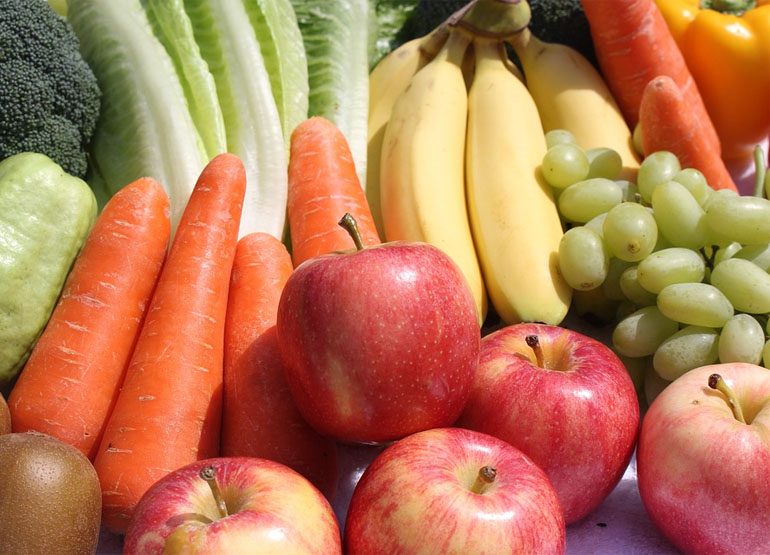
Food is important to our physical well-being; it provides nutrients required to produce energy, tissue growth, repair, and regulation of our body and its function. Food is also important to the well-being of our spirit. In addition, a sound dietary practices are needed to maintain high-level health.
Physiologically, proper nutrition with nutrients like: carbohydrates, fats, protein, vitamins, minerals, dietary fibre and water are ESSENTIAL, which means, they must be consumed in adequate quantities on a regular basis.
Most people seldom think about the importance of proper nutrition and unfortunatelly, not all people eat a balanced diet based on a variety of foods. So, where do you start? The answer is simple LEARN and CHANGE FOR THE BETTER.
CHANGING FOR THE BETTER
It is very likely that you can improve your dietary health and reduce the risk of developing disease by learning and implementing healthy dietary practices.
Ways to Improve Your Nutritional Health:
 Drink More Water
Eat More High-Fibre Foods
Eat Less Sugar
Use Less Salt
Eat Less Fat
Enjoy a Variety of Foods
Achieve and Maintain a Healthy Body Weigh
Limit Alcohol and Caffeine
Implement Food Safety
Know Your Activity Requirements
Drink More Water
Eat More High-Fibre Foods
Eat Less Sugar
Use Less Salt
Eat Less Fat
Enjoy a Variety of Foods
Achieve and Maintain a Healthy Body Weigh
Limit Alcohol and Caffeine
Implement Food Safety
Know Your Activity Requirements
Did You Know?
RomWell Health Pages - Disclaimer
Our pages are created to provide medically accurate information that is intended to complement, not replace or substitute in any way the services of your physician. Any application of the recommendations set forth in the following pages is at the reader's discretion and sole risk. Before undergoing medical treatment, you should consult with your doctor, who can best assess your individual needs, symptoms and treatment.Learn More:
It doesn't take much to start living healthier life...
Functional Foods
Functional foods are the forefront of healthy nutrition...
Nutrition
Understanding the basic principles...
Now You are Cooking
For a heart healthier way of living...
Set Your Goals
Select a few goals to work on now...
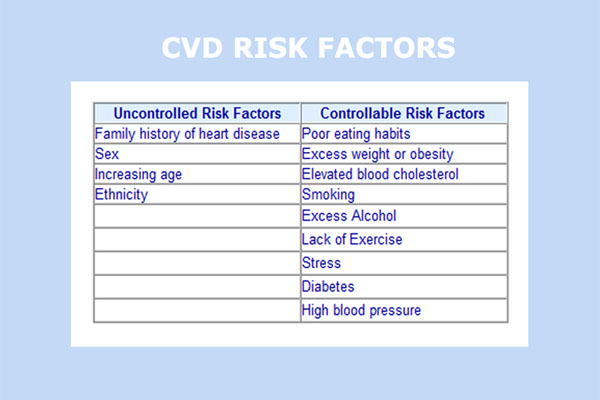
CVD Disease Risk Factors
Risk factors for cardiovascular disease are grouped into...
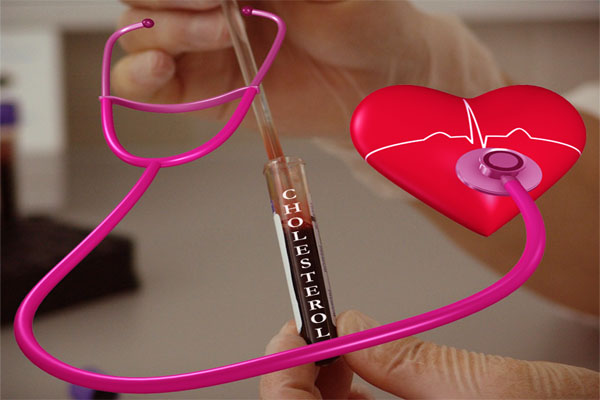
Cholesterol & You
Cholesterol, and your control of its intake, can be a very...

Destructive Alcohol
Men are more likely than women to have problems with alcohol...
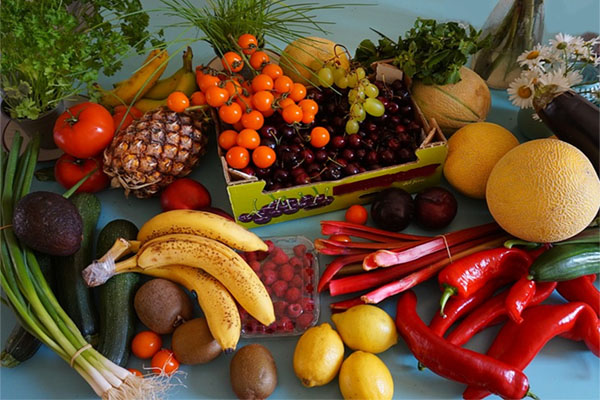
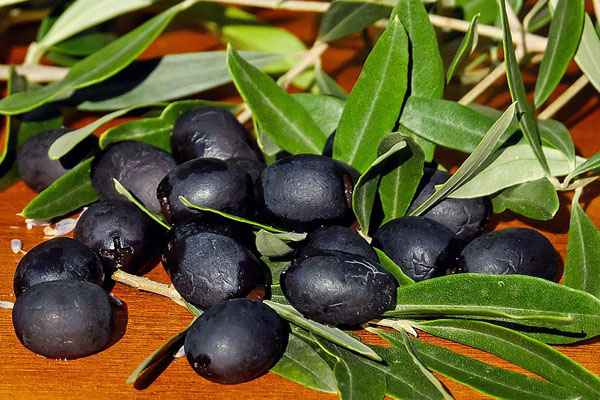
Eating Well to Control Health
A healthy, balanced diet can lower your risk of CVD.
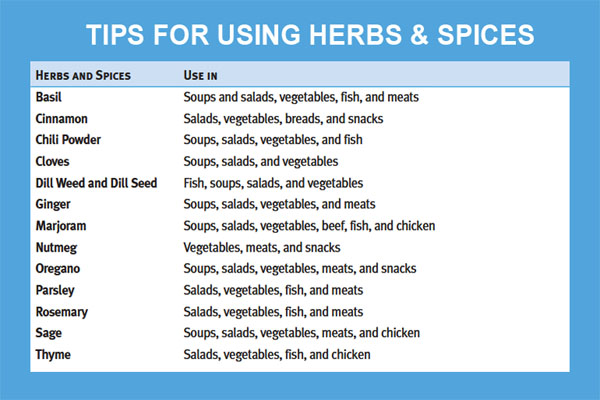
Season Without Salt
Learn How to Season Food Without Salt...
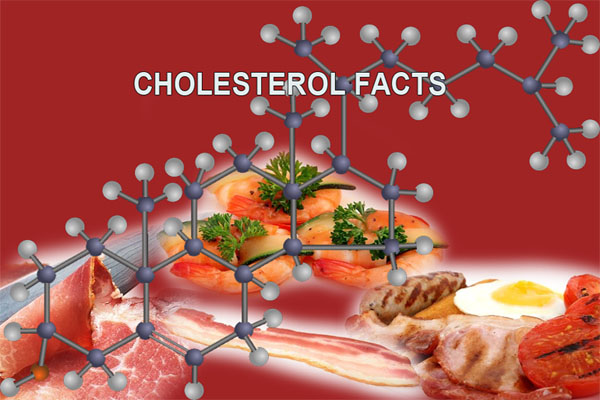
Cholesterol Facts
Facts You Should Know About Cholesterol...
RomWell Travel Guide
It is quite true that the more you travel, the more interested in travel you are. No matter how many times you visited interesting places, there is always something new to be discovered. Learn more about your destination before your trip and make it even more enjoyable and practical.
Find out more
Browse RomWell Real Cooking