TRAVEL
enhance your experience...
KNOWLEDGE
make it much more comfortable...
INFORMATION
helps you to find things...

RomWell Travel Advisory
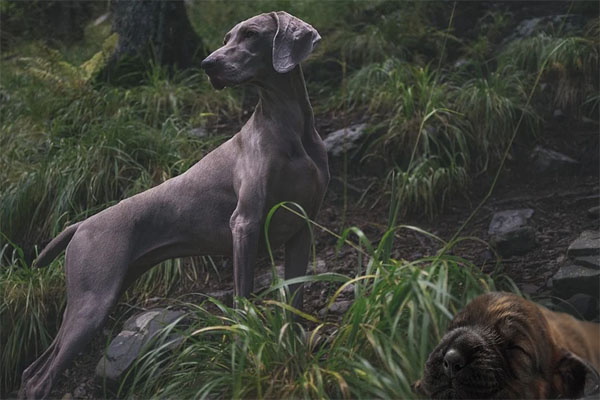
Among the most frequent questions I receive pertain to how to select the best pup from a litter.
No doubt, selection of the right pup to meet one's particular expectations is extremely important. Making a correct choice can improve the odds of producing an excellent retriever with the least amount of frustration and perhaps even avoid disappointment.
The first and most important point to consider is that one must approach puppy acquisition as a genetic selection process rather than trying to utilize methods to select a promising prospect from a particular litter. Focus not so much on picking a pup, rather pick litters.
The way to pick potentially successful liters is to pick a breeder who has proven brood stock and a credible reputation for producing healthy pups genetically predisposed to perform in a manner you desire.
Carefully consider your expectations for your future gundog. What are the desirable traits? What will the dog's primary functions include? What breeds interest you and why? Once you decide on a breed and the desired traits are defined based upon your intended uses, then seek a reputable breeder who has experience producing pups which exemplify the traits that best suit your purposes.
Genes determine the reaction of the dog to its environment, as well as, confirmation and soundness. Genes are the building blocks of heredity and are passed from parents to offspring in a predictable manner. The topic of genetics can quickly progress into a lengthy discussion unsuitable for this article but one can count on knowing this--like begets like. Total outcrosses, matings of unrelated genetics, may produce the occasionally exceptional offspring, but this is an unpredictable undertaking.
The only way to gain predictability of traits is to seek an experienced breeder with proven bloodlines which produce successful progeny. This will usually involve some form of line breeding. The mating of similar genetic relationships (line breeding) is conducted to intensify qualities within the line and to improve upon the predictable traits within litters. Line breeding is successfully practiced in all forms of livestock. Line breeding itself produces nothing, good or bad, it merely intensifies what is genetically there in the bloodline.
Most professional breeders use some form of line breeding as soon as they find a successful combination. In other words, outcrosses, random matings, despite the parents' apparent abilities and or titles, will not assure that the traits of the parents will be passed to the offspring. Only line breeding can offer this possibility. Consider, too, there is often as much difference between litter mates in ability, temperament, and tractability as one might find between separate litters within a breed.
The chance factor remains, but the odds improve if the buyer:
1. Buys from established, reputable breeders who know their business.
2. Buys pups from breeders who specialize in producing the type retriever they desire.
3. Buys pups produced by excellent gundog parents who have produced proven progeny from previous matings.
Other pointers:
 Select breeders that maintain high standards for health an appropriate hip/eye/elbow certifications and who offer reasonable guarantees against health defects.
Select litters with strong mother lines. Dams should be trained hunting dogs and she should possess the qualities you desire in your dog, not just in the sire. Dams project more influence on the litter than the sire. Genetic inheritance is of course 50/50 from both parents, but mom has the pups with her 6 weeks and her influence is paramount. Good bitches are seldom mated to poor dogs, yet the opposite frequently occurs. A poor bitch is unlikely to produce good pups despite the virtues of the sire. Look closely for desirable traits and strength in the trailing bottom line of the pedigree That is the dam, granddam, great granddam, etc. Excellent mothers are important.
Don't pick litters based solely on the number of titles in the pedigree. These are impressive achievements to be sure, but they are not indicators of natural tractability, temperament, and gamefinding ability. Nor do titles indicate whether the traits may be passed successfully to the offspring. Evaluate parents of pups based upon gundog standards important to your needs and their demonstrated ability to produce good pups.
Seek out sires, dams and grandparents that project strong genetic traits that can be passed through to their offspring. Research has indicated grandsires and granddams prove to have more genetic influence upon the litter than the sire and dam.
Positive genetic traits, accompanied by soundness and health, should be the goal of your purchase, not just confirmation, color, titles or size. Inherited gundog traits are what you really should be paying for in a pup.
Article Source: Ducks Unlimited Inc.
Ducks Unlimited conserves, restores and manages wetlands and associated habitats for North America's waterfowl. These habitats also benefit other wildlife and people. Visit their web site at www.ducks.org to learn more, support their mission or to find more info.
Hunting Dogs - Puppy Selection Part 2
Retriever Puppy Training - What Not to Do
10 Pitfalls in Retriever Training, Part 1
10 Pitfalls in Retriever Training, Part 2

Surprise your loved ones with great craft creations, decorate your house, or make unique gifts for any occasion and create ultimate gift giving experience. Save money, spend a quality time with your dearest ones, and have fun doing great craft for any occasion!
Find out more