Books
The Brontë Sisters
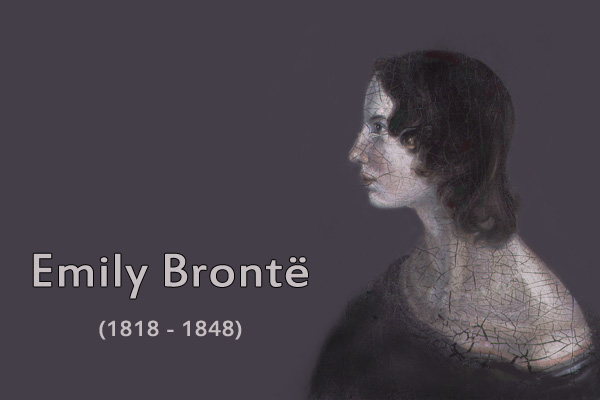
Emily Brontë (Ellis Bell)
Emily Bronte was born at Thornton in Yorkshire to Patrick Brontë and Maria Branwell. She was the younger sister of Charlotte Brontë and the fifth of six children. In 1820, the family moved to Haworth, where Emily's father was perpetual curate, and it was in these surroundings that their literary talent flourished. In childhood, after the death of their mother, the three sisters and their brother Branwell Brontë created imaginary lands (Angria, Gondal, Gaaldine), which featured in stories they wrote. Little of Emily's work from this period survived, except for poems spoken by characters (The Brontës' Web of Childhood, Fannie Ratchford, 1941).
In 1838, Emily commenced work as a governess at Miss Patchett's Ladies Academy at Law Hill Hall, near Halifax. Later, with her sister Charlotte, she attended a private school in Brussels. Both of them later opened up a school at their home, but had no pupils.
It was the discovery of Emily's poetic talent by her family that led her and her sisters, Charlotte and Anne, to publish a joint collection of their poetry in 1846. To evade contemporary prejudice against female writers, the Brontë sisters adopted androgynous first names. All three retained the first letter of their first names: Charlotte became Currer Bell, Anne became Acton Bell, and Emily became Ellis Bell.
In 1847, she published her only novel, 'Wuthering Heights', as two volumes of a three volume set (the last volume being Agnes Grey by her sister Anne Brontë). Its innovative structure somewhat puzzled critics. Although it received mixed reviews when it first came out, the book subsequently became an English literary classic. In 1850, Charlotte edited and published 'Wuthering Heights' as a stand-alone novel and under Emily's real name.
Like her sisters, Emily's health had been weakened by their harsh life at home and at school. She died on December 19, 1848 of tuberculosis, having caught a chill during the funeral of her brother in September. She was interred in the Church of St. Michael and All Angels family vault, Haworth, West Yorkshire, England. Her favorite stuffed toy, Dave the Monkey, was interred with her, but was subsequently removed and placed in the Haworth Parsonage museum.
Related Links:
 Selection from Poems by Acton Bell
Poems by Charlotte, Emily and Anne Bronte
Biographical Notice of Ellis and Acton Bell
Browse Quotes and Proverbs...

Cool Quotes Vol. 1
If silence is golden, then speech is platinum...
Cool Quotes Vol. 2
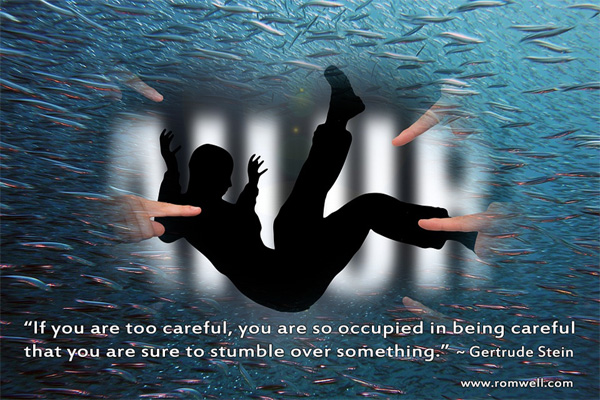
If you are too careful, you are so occupied in being...
Cool Quotes Vol. 3
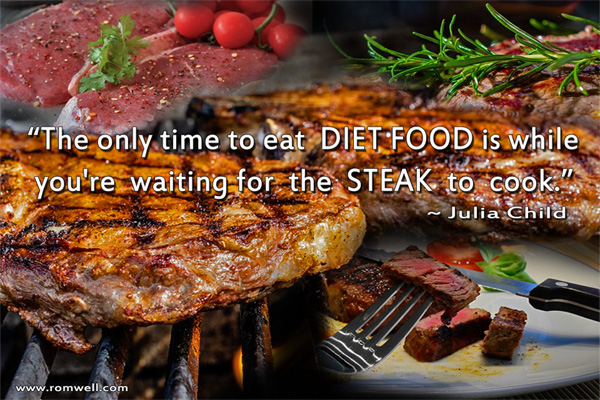
The only time to eat DIET FOOD is while you're waiting...
Wise Old Sayings
One today is worth two tomorrows...
Browse Aesop's Fables...
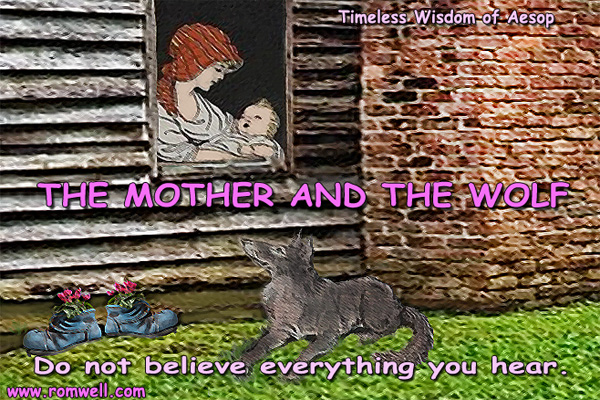
The Mother and the Wolf
Do not believe everything you hear.
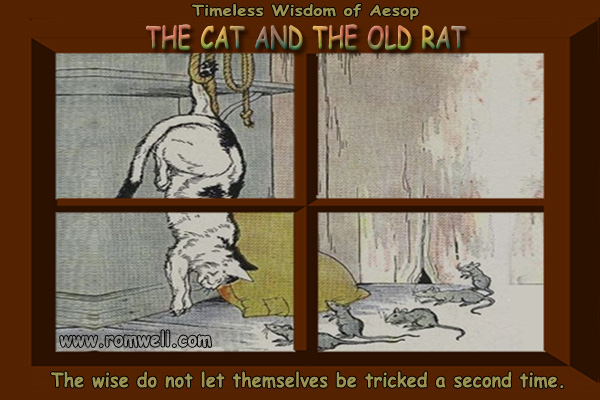
The Cat and the Old Rat
The wise do not let themselves be tricked a second time.
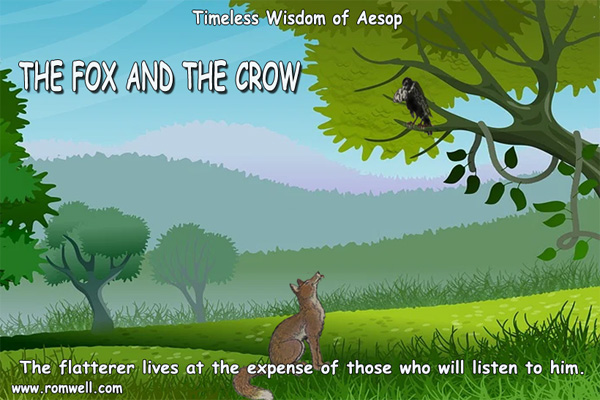
The Fox and the Crow
The flatterer lives at the expense of those who will...
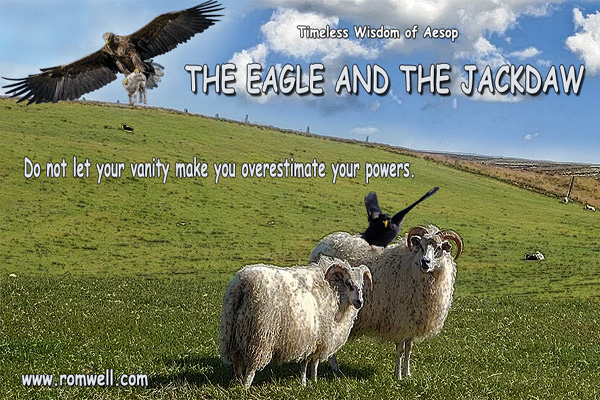
The Eagle and the Jackdaw
Do not let your vanity make you overestimate your powers.
Education Pages
We live in democratic and progressive society, so every student must be educated for leadership as well as for obedience. Every student must have power of self-direction and power of directing others, power of administration, ability to assume positions of responsibility. This necessity of educating for leadership is as great on the industrial as on the political side and gives opportunity for positive personal achievement. >>> Learn more...Antioxidants
Organic antioxidants help to promote cell regeneration, they are a great all natural way to help boost your immune system, and flush out harmful toxins which weaken the immune system. They are essential aid to a properly balanced diet, overall health and wellness and also great help in the prevention of disease.
RomWell Craft Pages
Surprise your loved ones with great craft creations, decorate your house, or make unique gifts for any occasion and create ultimate gift giving experience. Save money, spend a quality time with your dearest ones, and have fun doing great craft for any occasion!
Find out more
Browse RomWell Real Cooking