TRAVEL
enhance your experience...
KNOWLEDGE
make it much more comfortable...
INFORMATION
helps you to find things...

RomWell Travel Advisory
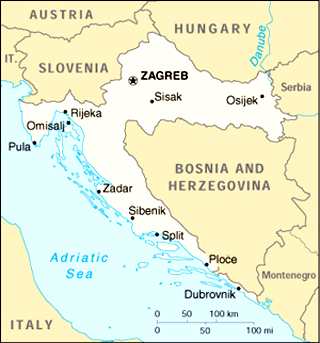
Have you ever been to Croatia? If your answer is yes, then surely you remember the unforgettable natural beauty of the place where the Mediterranean, the Alps and the Pannonian plain come together. This country has taken something from every one of them and blended those parts into a unique harmony and a rare beauty. Croatia has a longstanding tourist tradition and great development potentials.
Geographically, it stretches from the Pannonian Plain, the Danube region, and woody and hilly areas to real peaks and mountains chains descending to and protecting the unique and unforgettable Adriatic coast. Within a hundred kilometers you will find the sea, the karst, densely wooded mountains and fertile plains. Although the Adriatic is undoubtedly the most popular tourist destination, continental Croatia abounds in park like beauty: a land of forests and underground streams, the Plitvice lakes, the region Lika, the forests of Gorski Kotar, the wheat fields of Slavonia, rivers teeming with fish, and the picturesque rolling hills of Zagorje.
The Republic of Croatia is among the smallest of European countries - only 56,500 km2, and its territorial waters cover 31,900 km2. The coastline including the islands is 5,835 km long, 4,058 km being the coastline of islands, cliffs and reefs.
Number of islands, cliffs and reefs; 1185; the largest islands are Krk and Cres; there are 67 inhabited islands.
Highest peak: Dinara 1,831 m above the sea level.
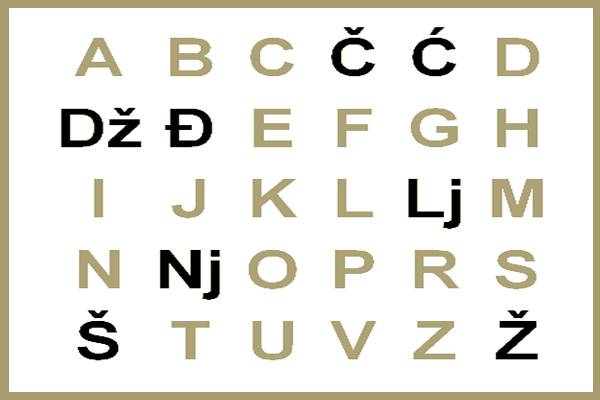
According to the latest census, Croatia has a population of 4,067,500 million (2019). More than 78% are ethnic Croats, and Roman Catholicism is the prevalent religion. National minorities are Serbs, Slovenes, Hungarians, Bosniaks, Italians, Czechs and others. The official language is Croatian, written in the Roman script. Croatian unit of currency is the kuna (KN). 1 kuna = 100 lipa. Foreign currency is exchanged in banks, exchange offices, travel agencies, hotels, camps, marinas; cheques are cashed in banks.
Although there was an independent Croatian principality and Kingdom from the 9th to the 12th century, today's Croatia is one of the newest states in Europe. It adopted its constitution on 22nd December 1990, and was recognized internationally on 15th January 1992. The international recognition of its sovereignty and its acceptance into the membership of the UN in 1992 marked the end of a crucial period in the establishment of Croatia as a new state in the European and world community. Today Croatia is a multiparty parliamentary republic.
In terms of climate, the country combines elements of the Mediterranean and Central Europe. There are two climate zones; the temperate continental climate, locally the mountainous climate, prevails in the inland, whereas the pleasant Mediterranean climate prevails along the Adriatic coast, with many sunny days, dry and hot summers, mild and moist winters.
The average temperature in the inland:
January -1 to 3 degrees Celsius,
August 22 to 26 degrees C.
The average temperature at the seaside:
January 5 to 10 degrees C,
August 26 to 30 degrees C.
The sea temperature is around 12 degrees Celsius in winter, and around 25 degrees C in summer.
 Croatian Nature Parks & Strict Reserves
Croatian Adriatic Coast - The Jewel of the Mediterranean
Find out more about Croatia...

Surprise your loved ones with great craft creations, decorate your house, or make unique gifts for any occasion and create ultimate gift giving experience. Save money, spend a quality time with your dearest ones, and have fun doing great craft for any occasion!
Find out more