
Healthy Eating
Tips and Ideas for Healthy Eating
Healthy Eating Tips
Try Healthy Eating Recipes:
- Low Fat Stuffed Mushrooms
- Low Fat Salmon and Potato Casserole
- Crunchy Baked Fish
- Corn & Beans Vegetable Stew
- Low Fat Microwave Leek and Mushroom Flan
- Penne with Eggplant Sauce
- Roasted Butternut Squash Soup
- Light Salsa
- Wonton Chips
- Low Fat Oat Bran Raisin Muffin
- Low-Fat Ham Biscuits
- Sesame Ginger Marinade
- Asian Beef and Lettuce Wraps
- Strawberry Mouse
- Gluten Free Pecan Pancakes
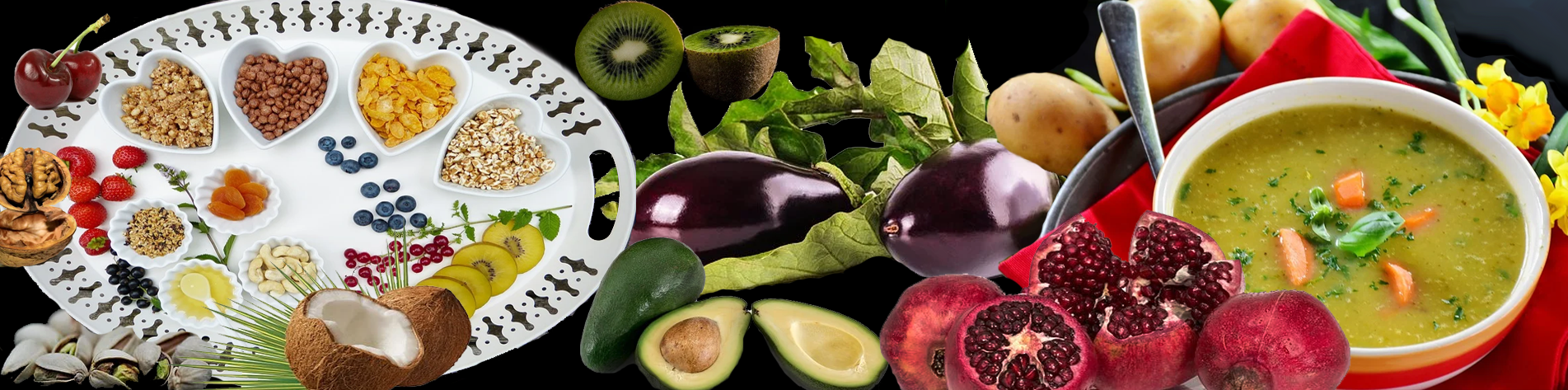
Vegetarian Diet
A balanced vegetarian diet can be super healthy...Did You Know?
Certain foods inhibit, alleviate or reduce symptoms of common health problems.
Most of us know that certain foods can be bad for our health, but did you know that certain foods may alleviate the symptoms of common health disorders like arthritis or diabetes?
A fundamental factor to managing diabetes is diet. For diabetes you should have balanced diet low in fat and sugar. Enjoy fresh green vegetables and food high in fibre.
Arthritis is associated with more than hundred types of disorders. It is characterized by joint inflammation, stiffness, swelling and pain. Anti-inflammatory foods may help ease the pain and stiffness. Cut down on foods containing animal fats and eat plenty of fish. Also try to enjoy fresh green and yellow vegetables and food high in vitamin C. We also recommend diet high in fibre like whole grains and nuts and other high-fibre low calorie food to help control weight.
To counter the effects of hypertension (high blood pressure), eat plenty of fresh vegetables, fresh fruits, legumes, low in fat and high-fibre foods. Cut down on: smoked meat, processed meat, canned and processed foods, added salt and fatty foods.